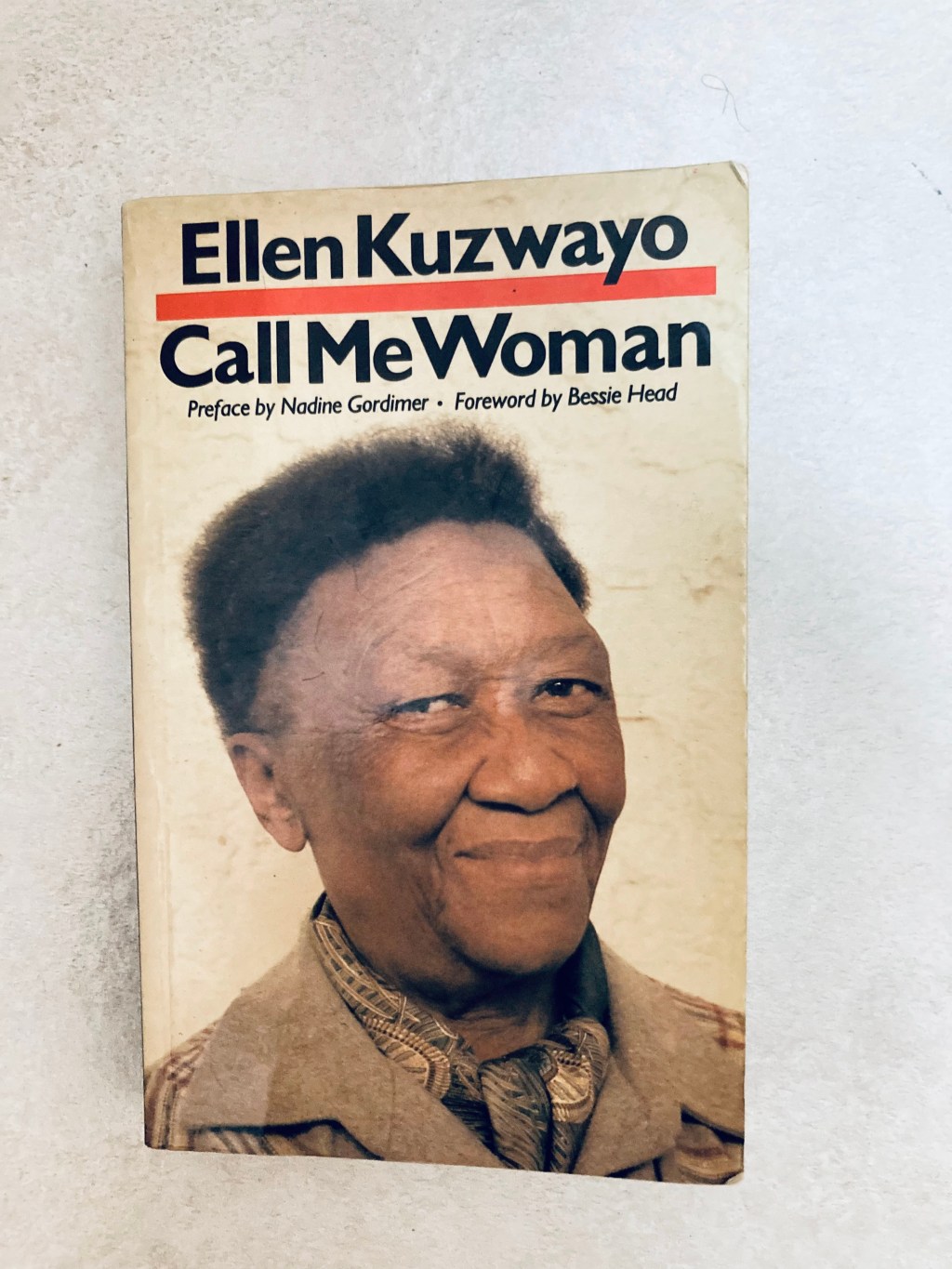
Please note: This is a review of three chapters of the book. Stay tuned for a full review after I have completed the book.
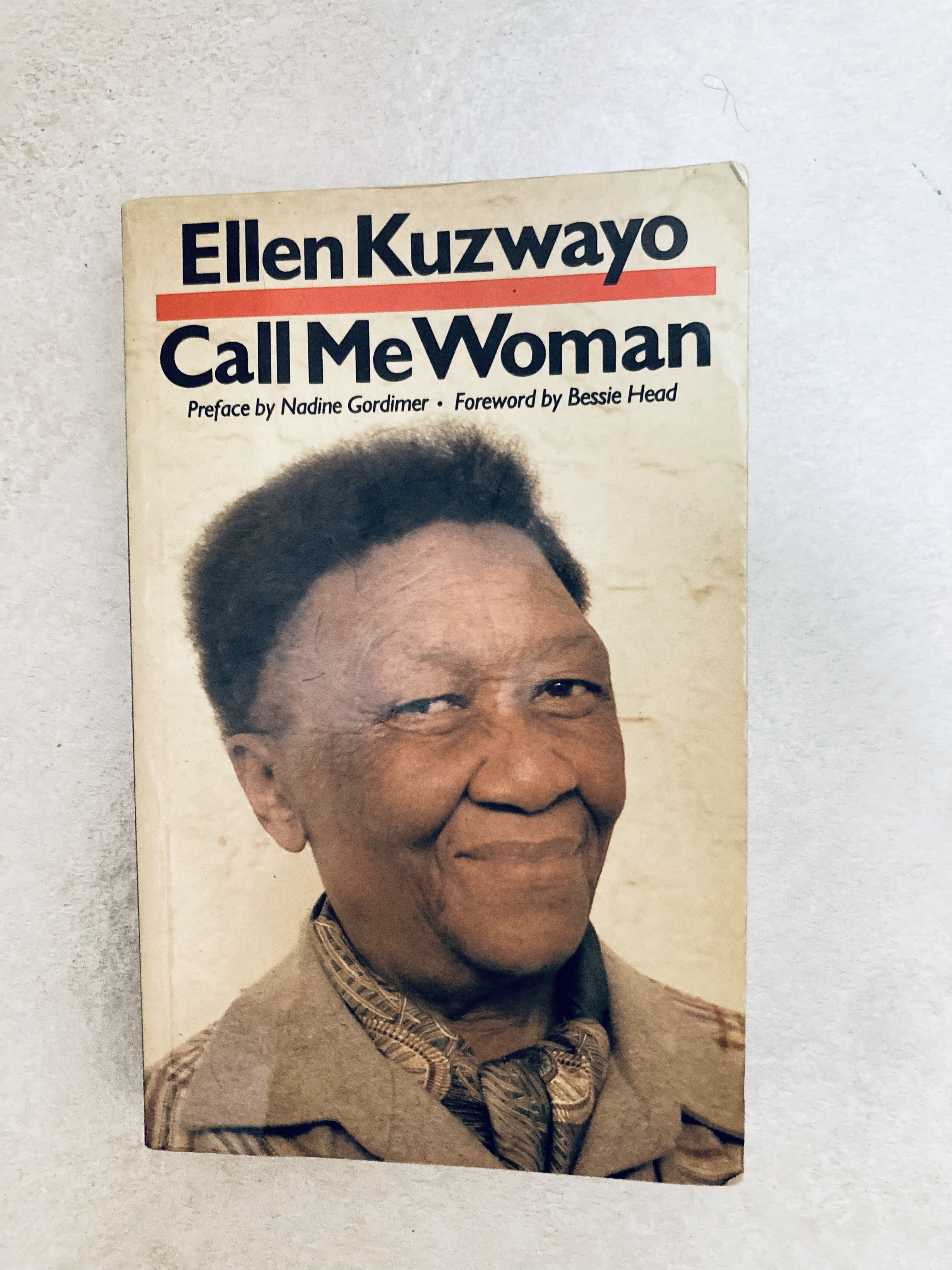
If you, like me, and millions of fellow South Africans, are a critic of the state of our country- and rightfully so, I invite you to read ‘Call Me Woman’ by Ellen Kuzwayo. The autobiography gives the reader a glimpse into the life and times of the former social worker and her experience living in South Africa at the height of apartheid.
Three chapters into the book, I am shocked by the similarities in the challenges she narrates to the social ills that persist in a post-democratic South Africa, including crime, unemployment, the exploitation of black women and the persistent effects of spatial planning brought by the Native Land Act of 1913.
Kumalo witnessed many losses, some personal- including the theft of her family farm in what was formerly the Orange Free State and the corrosive loss of our identity and culture as black people at the hands of a racist and greedy government whose legacy reverberates in the country today.
Thirty years into democracy, crime is one of the main concerns impeding the country’s progress. As I read through the book, I ask myself where does criminality begin and end? Who is the face of crime and corruption, and is the picture we are seeing fair and accurate? How did Soweto, one of the country’s populous Townships, come to be? How did black women end up here? How did they build and sustain the informal economy in this township, and what did this cost them and more broadly, black people?
Kuzwayo does a marvellous job telling the multilayered stories of black women as mothers in their homes, communities and places of work which begs the question: how does this translate to the society we live in today?
Three decades into democracy, school children travel long distances to get to school, unlike their white counterparts who live within walking distance of cities and schools or have means of transportation.
Three chapters into the book, I am asking myself if South Africa is better, 30 years into democracy than it was, or are we just a different generation lamenting the same challenges that have been oppressive to black people since pre-democracy?
My parting shot so far: I am still angry at the state of our country but have a better understanding of the history that informs our current realities.

 Well Read
Thanks for reading! Don’t forget to leave a comment below.